

Creatine: Do You Need It?
Plus Diana on foods to eat when you are sleep-deprived


Happy Wednesday! Today, we are taking a look at creatine - it’s become one of the most popular supplements for both men and women. Learn more about the possible benefits, side effects, and our opinions on whether you should add supplemental creatine to your diet.
We’re also presenting the last Wednesday Nourished Mama column - starting next Tuesday, Nourished Mama will be sent right to your inbox! If you are not yet signed up for this list, you can do so below! Today, Diana is covering what foods to eat when you’re sleep-deprived.
We want to know: Do you take creatine supplements? If so, what’s your goal? Share in the comments below.
(P.S. Become a paid subscriber to join the full conversation.)


Foods For Sleep-Deprived Parents
For me, sleep deprivation has been the hardest part of parenting. I thought that would only be a 3-4-month thing, but woooow, was I wrong! I have been fundamentally changed by the lack of sleep I experienced in pregnancy, the newborn stage, and even today. While nutrition can’t cure sleep deprivation, what you eat when you’re tired may be able to help you feel better (or make you feel worse).
Have you ever noticed that when you’re tired, your cravings get stronger? There’s a reason for that. When you’re running on broken sleep, your brain is desperate for quick energy. Blood sugar regulation gets shakier, stress hormones run higher, and you may find that all you want are simple carbs or something sweet.
If this sounds familiar, this doesn’t mean you’re doing anything wrong. This is just our body’s physiology. Your brain prefers to run on glucose, and when you’re exhausted, it’s asking for immediate fuel.
Instead of fighting those cravings, I’ve found it’s much easier to work with them. The goal isn’t to eat “perfectly,” but to add a little staying power to the foods you’re already wanting. Pairing carbohydrates with protein, fat, or fiber helps slow digestion, regulate blood sugar, and provide steadier energy - which matters so much when sleep is nowhere to be found.
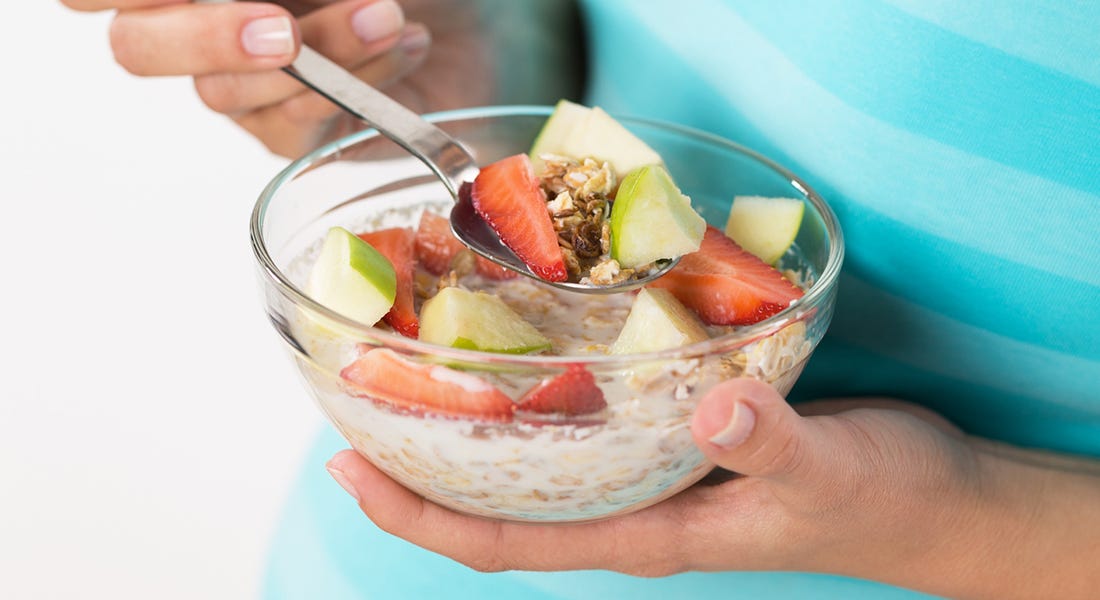
Some of my go-to options during sleep-deprived seasons, and why they help:
Toast with nut butter and honey: quick carbs for immediate energy, plus fat and protein to prevent a crash later on
Greek yogurt with fruit and granola: protein supports sustained energy while carbs replenish depleted glucose
Oatmeal made with Greek yogurt, sliced fruit, and chia seeds: fiber and fat slow the blood sugar rise and keep you full longer
Smoothies with banana, berries, protein powder, and nut butter: easy to digest, full of nutrients, and balanced energy
Crackers with cheese or hummus: simple carbs paired with protein and fat help curb energy dips
Dates with almond butter: fast energy from natural sugars, buffered by fat for longer-lasting fuel
Overnight oats with chocolate chips, peanut butter, and apples: carbs for brain fuel, protein and fats for sustained energy, fiber for blood sugar balance, plus a little chocolate to satisfy that craving.
The other big thing is to remind yourself to eat enough. Don’t forget that food, at its most basic, is energy! Skipping meals or under-eating when you’re exhausted often leads to bigger crashes and stronger cravings later. This is not the time for hardcore diets or hard-and-fast rules. Think more about nourishing and supporting your brain and body. These snacks and meals won’t fix the sleep, but I do find they make my days feel a little more manageable.
What snacks do you eat to help you get through less-than-ideal sleep? Share over in Nourished Mama!

Creatine: Do You Need It?
Dr. Weil's Take:
Creatine is one of the most widely studied dietary supplements, and unlike many other products that promise dramatic results with little evidence, it has solid research supporting it. Creatine is a naturally occurring compound made in the body from amino acids. It can also be obtained through foods such as red meat and fish. Creatine is stored primarily in muscle tissue, where it plays a central role in producing ATP, the molecule that fuels short bursts of strength and power.
For this reason, creatine has long been popular among athletes. Research suggests that supplementing with creatine can improve muscle strength, increase lean muscle mass, enhance post-exercise recovery, and reduce the risk or severity of certain injuries. There is also growing interest in its potential benefits beyond athletics, including effects on brain health, aging muscle, and metabolic conditions - areas that continue to be actively studied.
When taken at recommended doses, creatine appears to be safe for healthy adults. There have been some concerns about kidney damage, but this hasn’t been supported by high-quality evidence. That said, caution may be warranted for people with kidney disease or those taking medications that affect kidney function, including certain pain relievers, diuretics, and acid-reducing drugs. Creatine may also interact with statins and medications used to control blood sugar.
Side effects, when they occur, tend to be mild and include weight gain from water retention, muscle cramps, and gastrointestinal discomfort. Not everyone responds to creatine supplementation, particularly those with already high muscle creatine stores. Vegetarians, who consume little creatine from food, may experience greater benefits.
Overall, I think creatine has much to recommend it. While it is not essential for everyone, it can be a useful, evidence-supported supplement for improving muscle health and physical performance, among other possible benefits.
Diana’s Take:
I very rarely am sold on a trending supplement or health topic, but I’m into creatine! Creatine is one of the most widely studied supplements, has been proven safe time and time again, and appears to offer clear benefits, even outside of just athletic performance and muscle health. As a vegetarian, I actually recently ordered creatine powder and plan to add it to my regime.
While it’s mostly talked about in the athletic space and for supporting strength and power during short bursts of exercise, research suggests its benefits may also extend to brain health and cognitive performance. Some of the studies that interest me the most as a mom to a toddler are on creatine’s potential benefits during periods of sleep deprivation. Research is still early, but so far we’ve seen improvements in mental fatigue, reaction time, and cognitive processing even when participants aren’t getting enough sleep. Those are some pretty compelling benefits!
Part of the reason I decided to start supplementing with creatine is because I’m a lifelong vegetarian. Creatine can be especially beneficial for vegetarians and vegans, as it’s mostly found in animal foods like red meat and fish.
I always recommend caution with supplements, as I think that, as a society, we try to turn everything into a magic cure. However, I appreciate how much research supports the use of creatine. I by no means think everyone needs to start taking it, but I do think it’s a solid, evidence-backed supplement and may be especially important for vegans and vegetarians.
About Creatine

Creatine is one of the most well-studied dietary supplements, and while it’s best known for athletic performance, research now shows it may benefit more than just athletes. That said, it isn’t necessary for everyone.
Learn more about creatine and its pros and cons.
What Is Creatine?
Creatine is a naturally occurring compound made from amino acids and stored primarily in muscle and brain tissue. It helps regenerate ATP, the body’s main energy source for short bursts of activity. We get creatine from foods like red meat and fish, and the body also produces small amounts on its own.
Who May Benefit From Supplemental Creatine

1. Active Adults and Strength Trainers. Creatine can improve strength, power, and muscle recovery, making it useful for people doing resistance training or high-intensity exercise.
2. Older Adults. As we age, muscle mass and strength naturally decline. Creatine may help preserve lean muscle, strength, and functional mobility, especially when combined with strength training. Some research also suggests benefits for bone health and fall prevention.
3. Vegetarians and Vegans. Because creatine is found mainly in animal foods, plant-based eaters often have lower baseline creatine levels and may experience greater benefit from supplementation.
4. Women (Including Peri- and Post-Menopause). Emerging research shows creatine may support muscle maintenance, energy, and even cognitive function in women, particularly during hormonal transitions when muscle loss accelerates.
5. Cognitive and Neurological Support. Creatine is stored in the brain and may support mental energy, memory, and resilience under stress or sleep deprivation. Research is ongoing but promising.
Potential Pros of Creatine
Supports muscle strength and lean mass
May improve exercise recovery and performance
Helps maintain muscle during aging
May support brain energy and cognition
Generally safe and well-tolerated when used appropriately
Inexpensive and well-researched
Potential Cons of Creatine
1. Water Retention. Some people experience mild water retention in muscles, which can feel like weight gain (not fat gain).
2. Digestive Upset. High doses or loading phases may cause bloating or stomach discomfort. Lower, consistent dosing usually avoids this.
3. Kidney Concerns. Creatine is considered safe for healthy individuals, but people with existing kidney disease should not supplement without medical guidance.
4. Not Necessary for Everyone. If you’re sedentary, meeting protein needs, and not strength training, creatine may offer limited benefit.
WEIL Nutrition Corner™ Takeaways
Creatine can be a useful, evidence-based supplement for people focused on muscle strength, healthy aging, physical performance, or plant-based nutrition. It’s not a magic pill, but when paired with resistance training and adequate protein, it can support strength, resilience, and energy - especially as we age.
Top 3 Food Sources of Creatine

Creatine is found naturally and almost exclusively in animal-based foods, with the highest amounts in muscle tissue. Below are the main dietary sources.
1. Beef and pork. These are the best sources of creatine, which is concentrated in muscle tissue.
2. Fish and seafood. Herring, salmon, tuna and sardines offer creatine along with omega-3 fatty acids, making it especially supportive for muscle and brain health.
3. Poultry. Chicken and turkey offer lower levels of creatine than red meat and fish, but are still a meaningful source when eaten regularly.
WEIL Nutrition Corner™ Food As Medicine
Cooking can reduce creatine content, as it degrades with heat and leaches into cooking liquid. To get ~3–5 grams of creatine from food alone, you would need large portions of meat or fish daily (often 1–2 pounds), which isn’t practical or aligned with many anti-inflammatory diets.
How To Add Creatine to Your Diet
Creatine monohydrate is the most studied and effective source. Aim for 3-5 grams per day taken at any time - consistency matters more than timing.
Dr. Weil: If you supplement with creatine, I recommend taking it with fruits, fruit juice, or starches to improve absorption.
Diana: If you have a sensitive stomach, it might make sense to start with a lower dose and work your way up to 5 grams. Many GI issues resolve once your body adjusts, about 2 weeks. Sometimes people take a “loading dose” of creatine (20 mg for about a week), but that’s often unnecessary.
Thank you, Diana and Dr. Weil! This is at the top of my and many others’ minds. I love the sleep-deprived food suggestions. Great for parents, surgeons, trainees and other professionals who find themselves sleep deprived! It’s so meaningful how you shared your experience of being sleep deprived!
There is a lot of chatter about creatine and brain health. I’m hoping to understand more about the proposed connection.